
What is the difference between lead and lead free solder? Lead solders are cheaper but pose a substantial health hazard. Lead free solders, meanwhile, are safer and create stronger bonds that are more vibration/thermal cycle resistant. All the solders below meet lead free and cadmium free standards that respond to growing regulation requirements around the world.
Plumbing & Structural Applications on Copper, Brass, and Stainless (Compliant with NSF/ANSI Standards)

Best cost, strength, and profile for most applications:
-
KappFree (pair with Kapp Comet Flux) or KappFreeA (acid core)
Widest melting range for large joints:
High tolerance to vibration, stress, and thermal cycling:
-
KappZapp3.5 (low eutectic temperature)
Capable of highest heat, affordable cost:
Galvanized Coating Repair After Welding (Exceeds ASTM standards)

Excellent barrier protection, easy application:
-
Galvanite or Kapp Autobody (pair with Kapp Copperbond Flux)
Most corrosion resistant, great tensile strength
-
KappAloy (Best for low temperature solder joints)
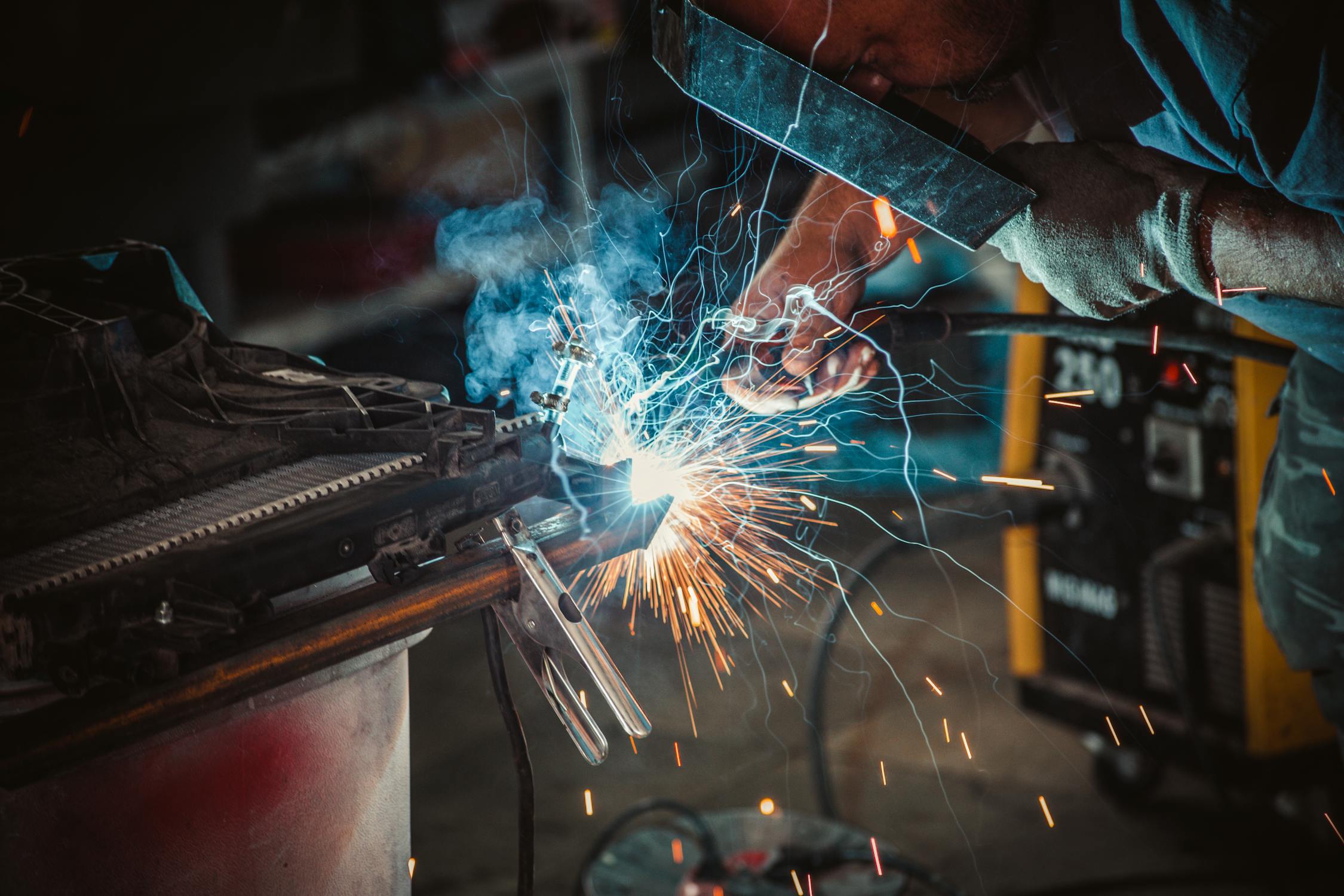
Best for radiator and heat exchanger repair
Best for dissimilar metals and high temperatures
Durakapp#2 Grade 2 Babbitt for bearings, tinning compounds, Fluxes, and all our accessories are also lead free products!